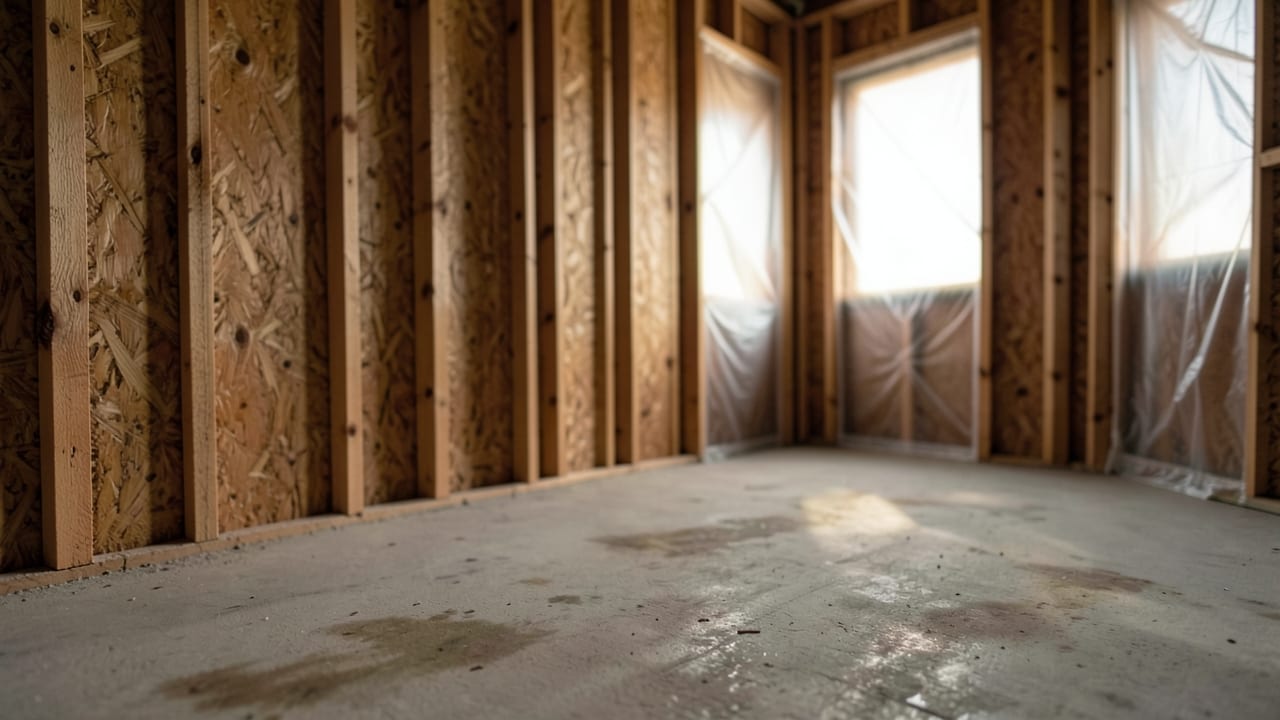
Mold Removal & Remediation
Mold removal and remediation in Fort Lauderdale, FL — containment, HEPA filtration, and removal of affected material following industry (IICRC S520) protocol.
In Fort Lauderdale’s humid climate, mold growth is common and requires professional remediation. Our team physically removes mold and contaminated materials, ensuring your home is safe and restored to pre-loss condition. We follow IICRC S520 standards for containment, removal, and clearance testing.
Why Mold Removal Isn’t Just Surface Cleaning
Mold remediation isn’t about masking the problem with paint or cleaners. True remediation involves removing mold growth and any porous materials—like drywall or insulation—that it has compromised. Surface cleaning alone cannot reach the roots of mold in porous surfaces.
We also handle Crawl Space & Basement Mold Remediation and Attic Mold Remediation for Fort Lauderdale properties.
Non-porous materials, such as framing lumber or tile, are treated with antimicrobial solutions and HEPA-vacuumed to ensure spores are fully addressed. This process prevents regrowth and protects your home’s structural integrity.
Signs You Need Professional Mold Remediation
- Visible mold growth on walls, ceilings, or floors
- Musty odors that persist even after cleaning
- Water damage or staining from leaks or humidity
- Allergic reactions (e.g., sneezing, itchy eyes) that worsen at home
Fort Lauderdale’s Climate & Your Home
Fort Lauderdale’s warm, humid environment creates ideal conditions for mold growth, especially after leaks, storms, or prolonged moisture exposure. Even small, unseen issues can spread quickly in these conditions.
Our remediation process follows IICRC S520 standards, which include sealing off affected areas with containment barriers and using negative air pressure with HEPA filtration. This ensures spores don’t spread to unaffected parts of your property.
| Factor | How It Affects Remediation |
|---|---|
| Extent of Growth | Larger areas require more containment, labor, and material replacement |
| Material Type | Porous materials (drywall, insulation) are removed; non-porous are cleaned |
| Source of Moisture | Must be fixed first to prevent regrowth |
| Clearance Testing | Required post-remediation to confirm safety |
What to Expect During Remediation
Our team begins by inspecting the affected area to assess the extent of mold growth and moisture damage. We then seal off the space with physical barriers and set up negative air pressure systems to prevent spore spread.
How Mold Remediation Works
We follow a structured process to ensure mold is fully removed and your home is safe.
- 1Containment Setup
The affected area is sealed off with physical barriers and placed under negative air pressure with HEPA filtration to prevent spores from spreading.
- 2Material Removal
Porous materials like drywall, insulation, or carpet padding with significant mold growth are removed and replaced. Non-porous surfaces are cleaned with antimicrobial solutions.
- 3HEPA Vacuuming & Treatment
All surfaces are HEPA-vacuumed to remove residual spores, and antimicrobial treatments are applied to non-porous materials to prevent regrowth.
- 4Clearance Testing
Post-remediation testing is conducted to confirm the area is safe and free of mold spores, following IICRC S520 standards.
Frequently Asked Questions
How do I know if I need mold remediation or just cleaning?
If mold has spread into porous materials like drywall or insulation, remediation is necessary. Surface cleaning alone won’t address the roots of the growth. An inspection can confirm the extent of the issue.
How long does mold remediation take?
The timeline depends on the size of the affected area and the extent of material removal. Small jobs may take a day, while larger projects can span several days to a week.
Is mold remediation covered by insurance?
Coverage varies by policy. If mold results from a covered peril (e.g., a burst pipe), your insurance may cover remediation. Check your policy or consult your provider.
Can I stay in my home during remediation?
It depends on the scope. For small, contained areas, you may be able to stay. Larger jobs may require temporary relocation due to containment and safety protocols.
See Broadview Park, FL for more, or check out what we cover for Fort Lauderdale properties by service type for our complete lineup.
Ready to get started?
Talk to a local mold remediation pro in Fort Lauderdale — get a written quote.
Other Mold Remediation Services in Fort Lauderdale
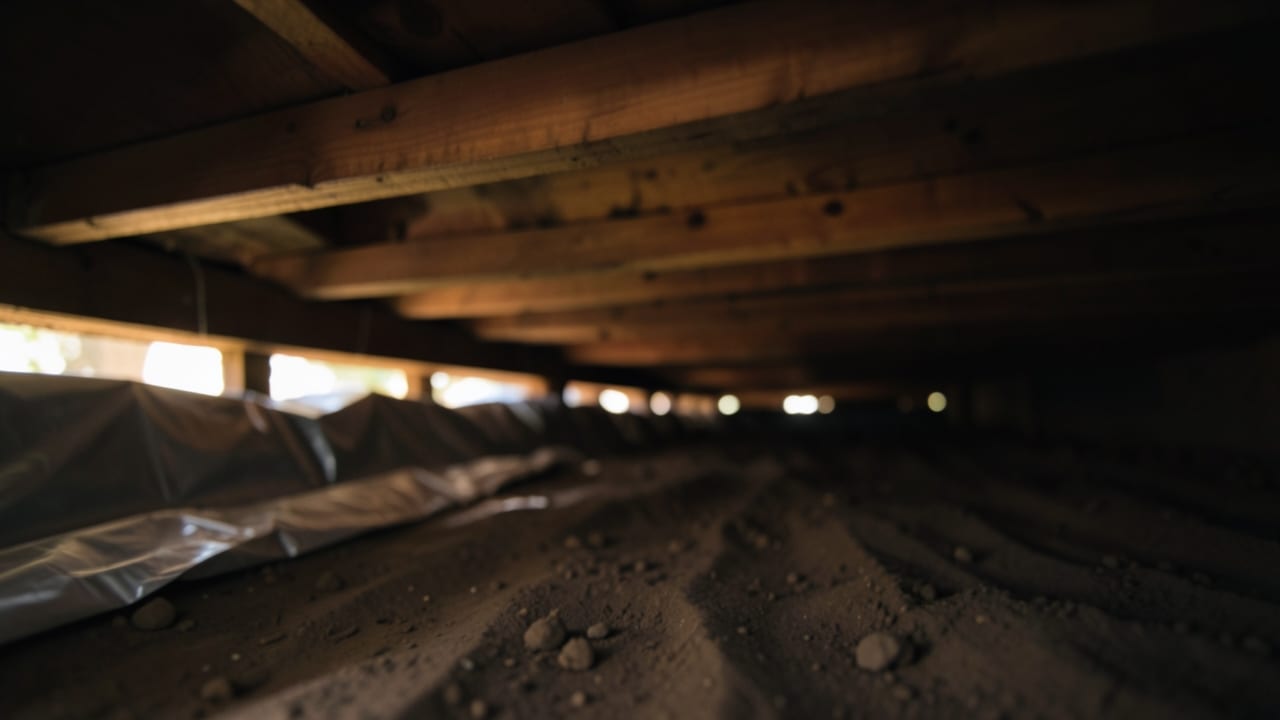
Crawl Space & Basement Mold Remediation in Fort Lauderdale, FL
Crawl space and basement mold remediation in Fort Lauderdale, FL addresses the two areas of a property most prone to trapped, unnoticed moisture.
Learn More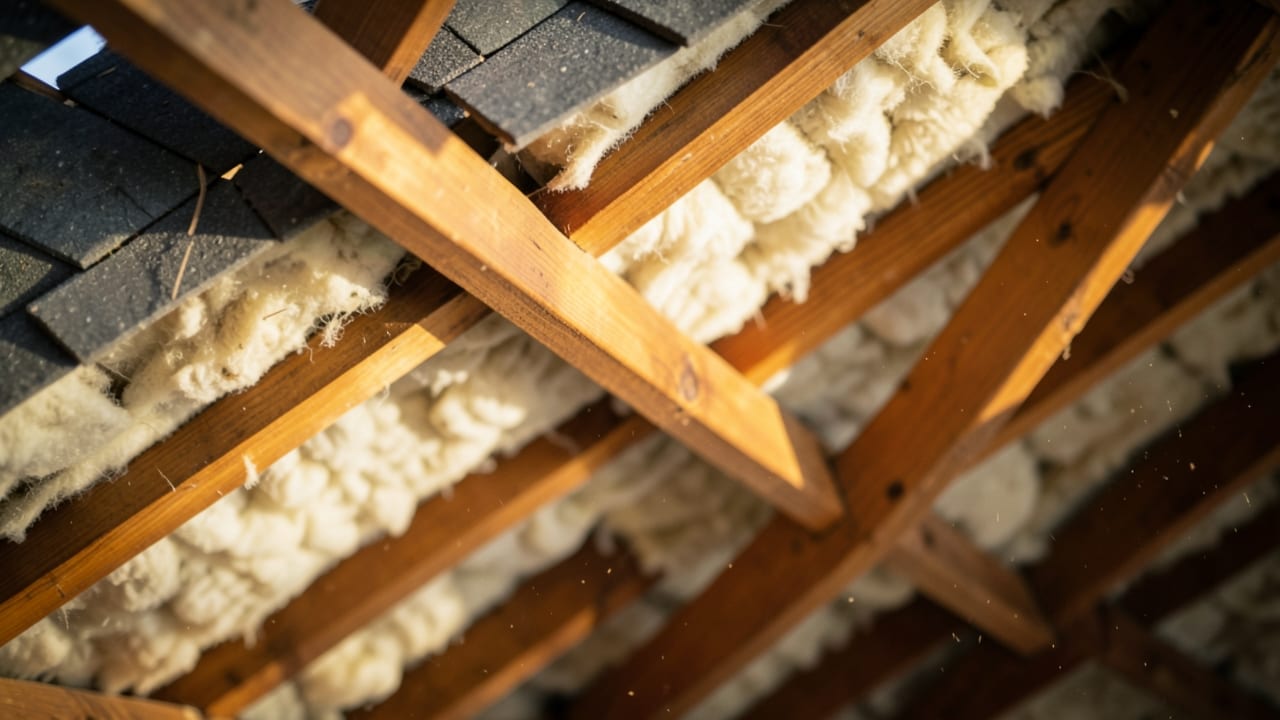
Attic Mold Remediation in Fort Lauderdale, FL
Attic mold remediation in Fort Lauderdale, FL addresses roof-deck growth typically caused by poor ventilation or a hidden roof leak.
Learn More
Commercial Mold Remediation in Fort Lauderdale, FL
Commercial mold inspection and remediation in Fort Lauderdale, FL for offices, retail space, and multi-unit properties, scheduled around business operations.
Learn More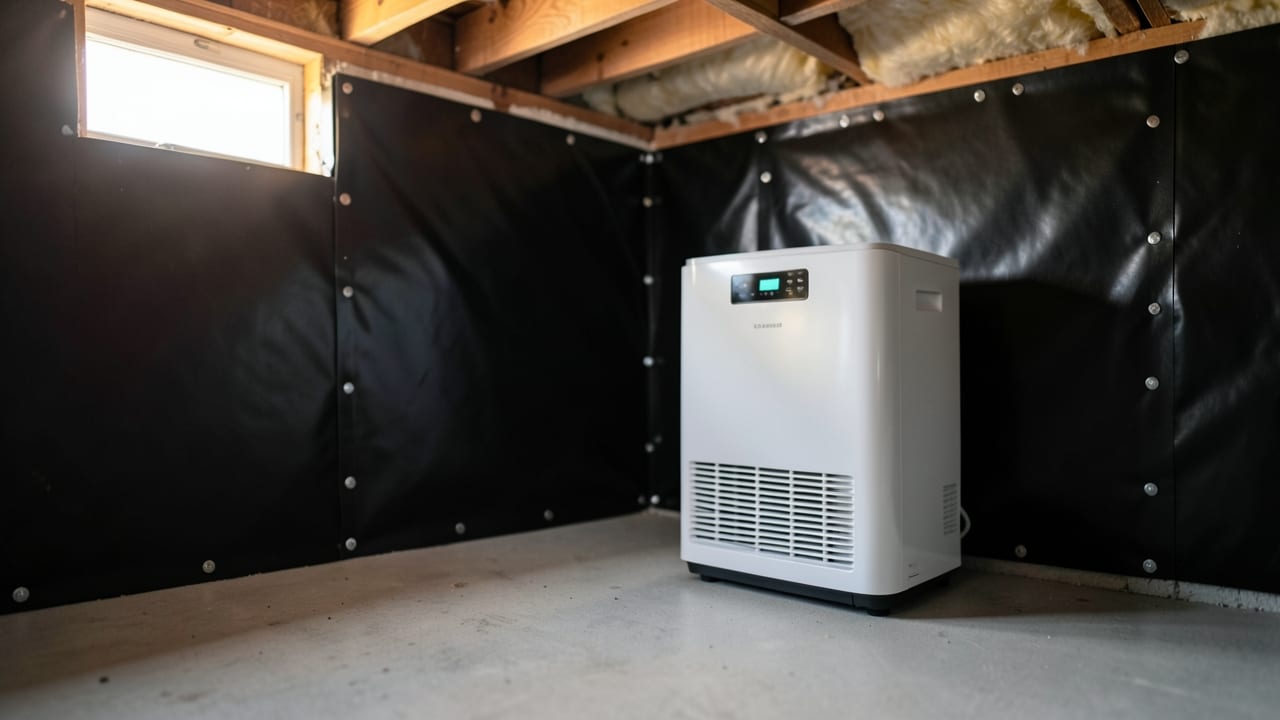
Mold Prevention & Moisture Control in Fort Lauderdale, FL
Mold prevention and moisture control in Fort Lauderdale, FL — addressing ventilation, humidity, and drainage before growth starts, not after.
Learn More
Mold & Asbestos Testing in Fort Lauderdale, FL
Combined mold and asbestos testing in Fort Lauderdale, FL — one inspection visit, lab-verified results for both.
Learn More
HVAC Mold Remediation in Fort Lauderdale, FL
HVAC and ductwork mold remediation in Fort Lauderdale, FL — mold growing inside the air handler or duct system, spreading through every vent.
Learn MoreCommon Questions About Mold Remediation in Fort Lauderdale
Everything you need to know about mold remediation services in Fort Lauderdale
How much does Mold Removal & Remediation typically cost in Fort Lauderdale, FL?
Why does Fort Lauderdale, FL's humidity make mold a bigger risk than in drier regions?
How does mold remediation actually prevent the problem from coming back?
Can mold growing inside HVAC ductwork spread to the rest of a home?
Does mold mean the same thing as mildew?
Does homeowners insurance typically cover mold remediation?
Need Mold Remediation in Fort Lauderdale?
Connect with local providers in Fort Lauderdale for a detailed quote.
⏰ We answer your call • Serving all of Fort Lauderdale and surrounding areas